A healthy ecosystem is synonymous with a resilient planet and a sustainable future for humanity. The ecological pyramid is a fundamental pillar in this.
By: Francisca Olave Campos, Journalist, Faculty of Veterinary Sciences franciscaolave@gmail.com
Images: Andes-UdeC
A healthy ecosystem is crucial, as it provides essential services such as clean air and water, fertile soil, and pollination of natural vegetation. It serves as the planet’s life support, ensuring the survival and well-being of all species, including humans.
In Chile and the world, life is organized in a great ecological pyramid, where each species plays a fundamental role. “At the base of this pyramid are the producers, vegetation that uses and transforms solar energy into leaves, flowers, and branches, which will then become food for herbivores. The copihue, for example, the national flower of Chile, or the maqui, whose berries are a real antioxidant treasure, are part of these natural food chains,” explained Dr. Paula Aravena Bustos, director of the ANDES-UdeC Wildlife Rehabilitation and Education Center, who added that at the second level of this trophic pyramid are the primary consumers. “Here we find herbivores and nectarivores, which feed directly on these plants and their flowers. Species such as the pudú, the smallest deer in the world; the degú, an endemic rodent that helps to aerate the soils; and the beautiful hummingbird, which pollinates while looking for nectar, are supplied and move energy at this level in natural ecosystems.”
The third level is that of secondary consumers, which feed on small animals and help control their populations. “One of the protagonists in this phase is the monito del monte, a unique, prehistoric marsupial that fertilizes ecosystems and spreads seeds of plants such as the copihue and the quintral, ensuring the regeneration of the forest.”
The fourth level consists of predators. “At the top of the pyramid, we find the top predators, which regulate and keep the ecosystem stable. The puma, a stealthy hunter; the small and elusive huiña, our wild cat of south-central Chile; and the birds of prey and foxes, great pest controllers,” explained the expert, who added that each of these species works every day to maintain the balance of Chilean ecosystems.
Rescue and Rehabilitation
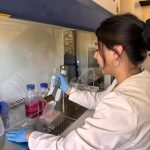
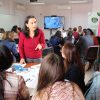
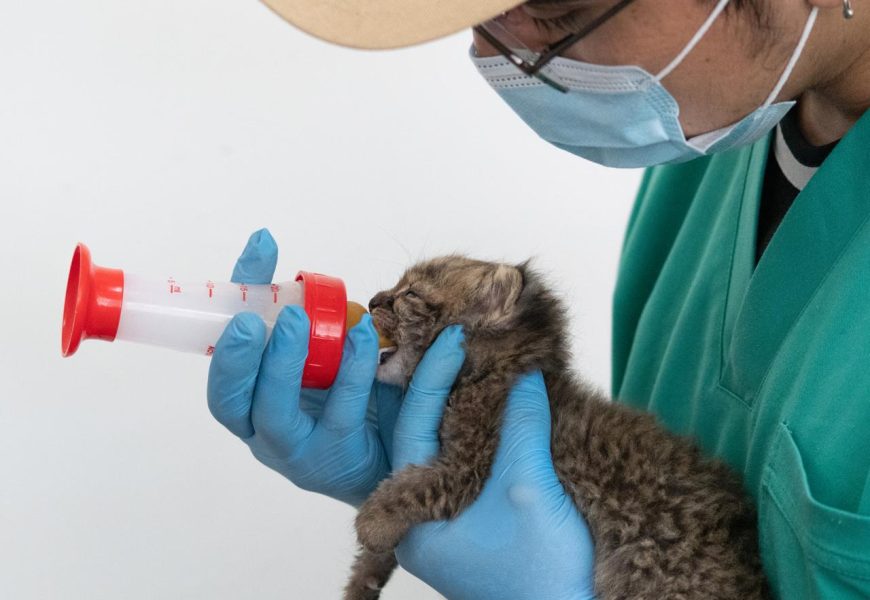
One way to contribute to the ecosystem’s planetary health is to rescue and rehabilitate wildlife affected by natural disasters, since each species plays a vital role in the food chain and the functioning of its ecosystem (water and air purification, nutrient recycling, pest control, pollination). In this sense, the joint work over the years by the University of Concepción’s Faculty of Veterinary Sciences and the Agricultural Livestock Service (SAG), for whom training on the subject is frequently provided, is vital.
The director of ANDES-UdeC mentioned, “We, as a rehabilitation center, maintain a permanent collaboration with the SAG, mainly with the natural resources area, for work with wildlife. They are in charge of the rescue, and we are responsible for the rehabilitation of the fauna affected by anthropogenic impacts. We strive to make rescue and reintegration strategies increasingly efficient, since part of our responsibility as academia is to transfer this knowledge to the officials who carry out wildlife management. Generally looking closely at two things: when and how it is rescued; and what are the most appropriate ways to do it, both for the patient and for the safety of the staff, and on the other hand, how it is released safely, for patients and the ecosystem.”
Affected Fauna
Without proper training or authorization, no one should attempt to rescue a wild animal affected by anthropogenic causes. Intervening without knowledge can be harmful to both the animal and people, hence it is advisable to: keep your distance, contact the relevant authorities (SAG, or calling the Police or Fire Service) and protect the animal avoiding excessive direct contact, to avoid stressful conditions that can even be lethal “with silence, darkness and speed being the best allies in a wildlife rescue” pointed out Dr. Paula Aravena.
Last modified: 20 de mayo de 2026